
Kenya
Industrial cooling and ventilation in Nakuru
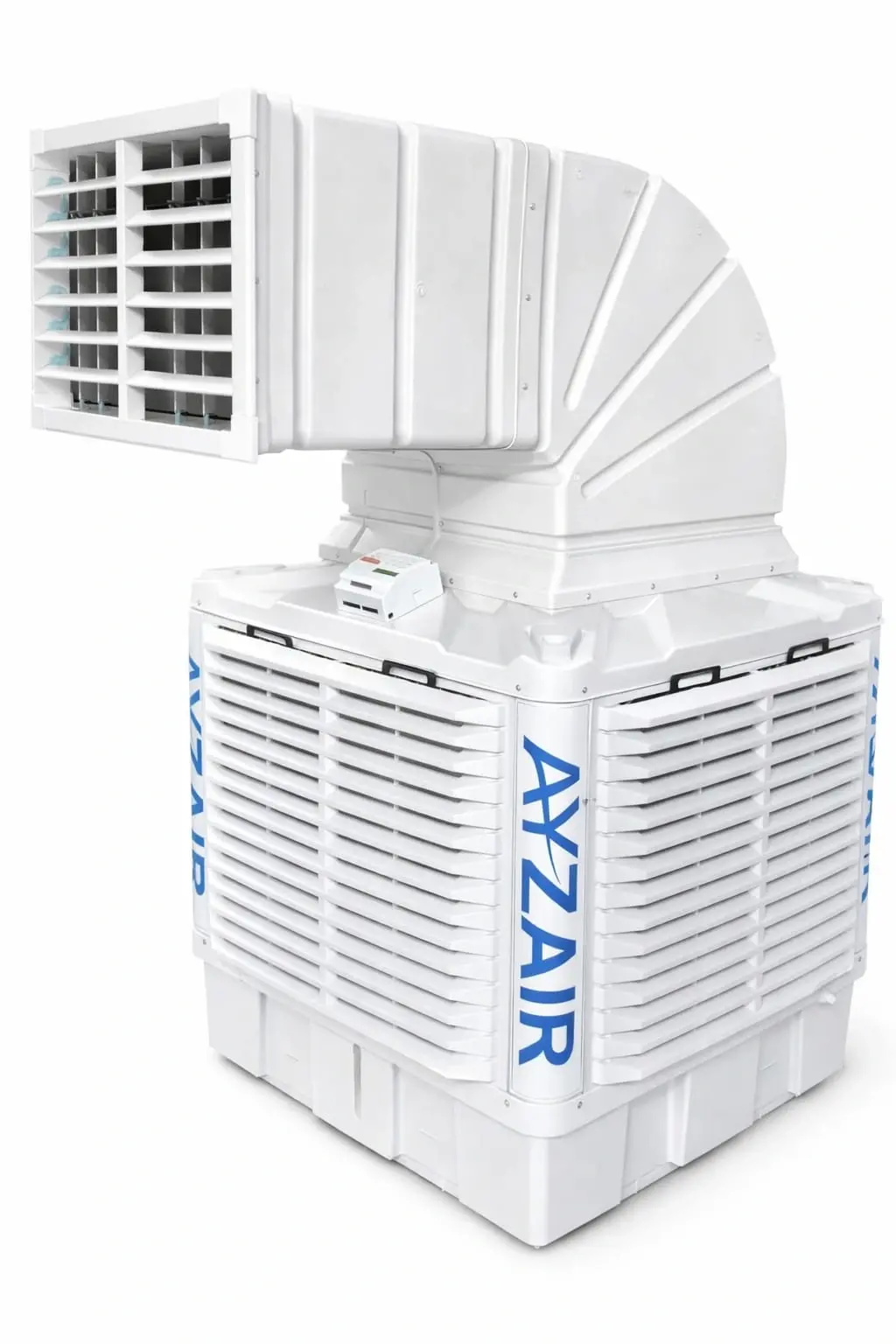
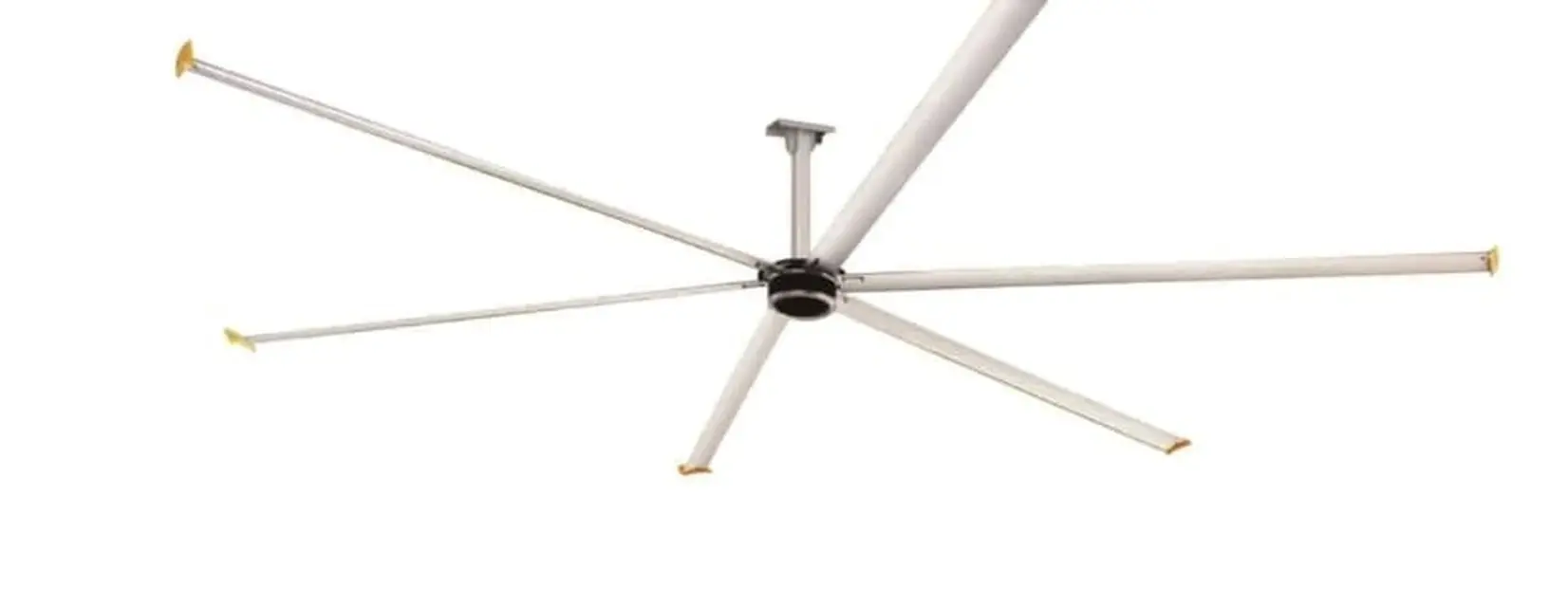
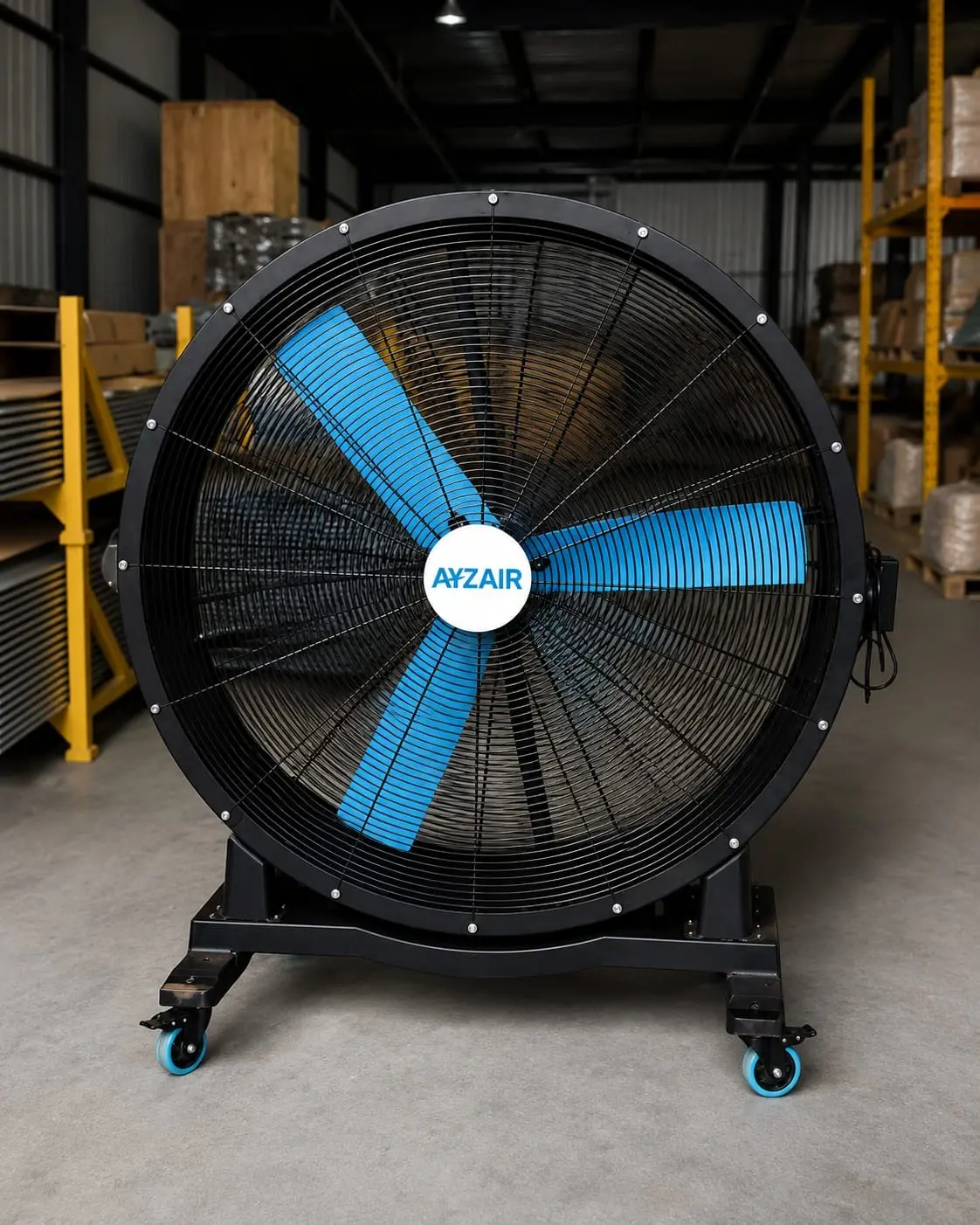
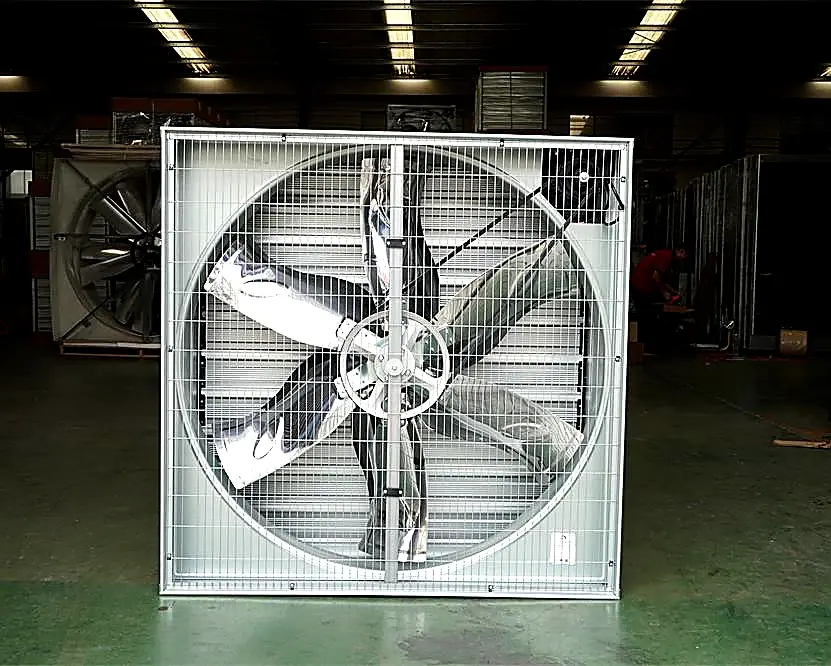
Nakuru is the service town for one of the densest farming districts in Kenya, and its industry follows the land. Grain milling, dairy processing, animal feed, agrochemicals and packaging operate from the Nakuru Industrial Area and the estates along the Nairobi highway, while the flower farms around Lake Naivasha, an hour to the south, run large grading and packhouse buildings that ship through Nairobi airport. Layer and broiler units are spread through Njoro, Rongai, Bahati and Gilgil, and many are open sided sheds now being upgraded to tunnel ventilation. Because the highland climate is mild and the afternoons are dry, buyers here want air change and controllable air movement rather than heavy refrigeration, which is exactly what the Hammer and HVLS ranges deliver.
Nakuru climate — the honest version
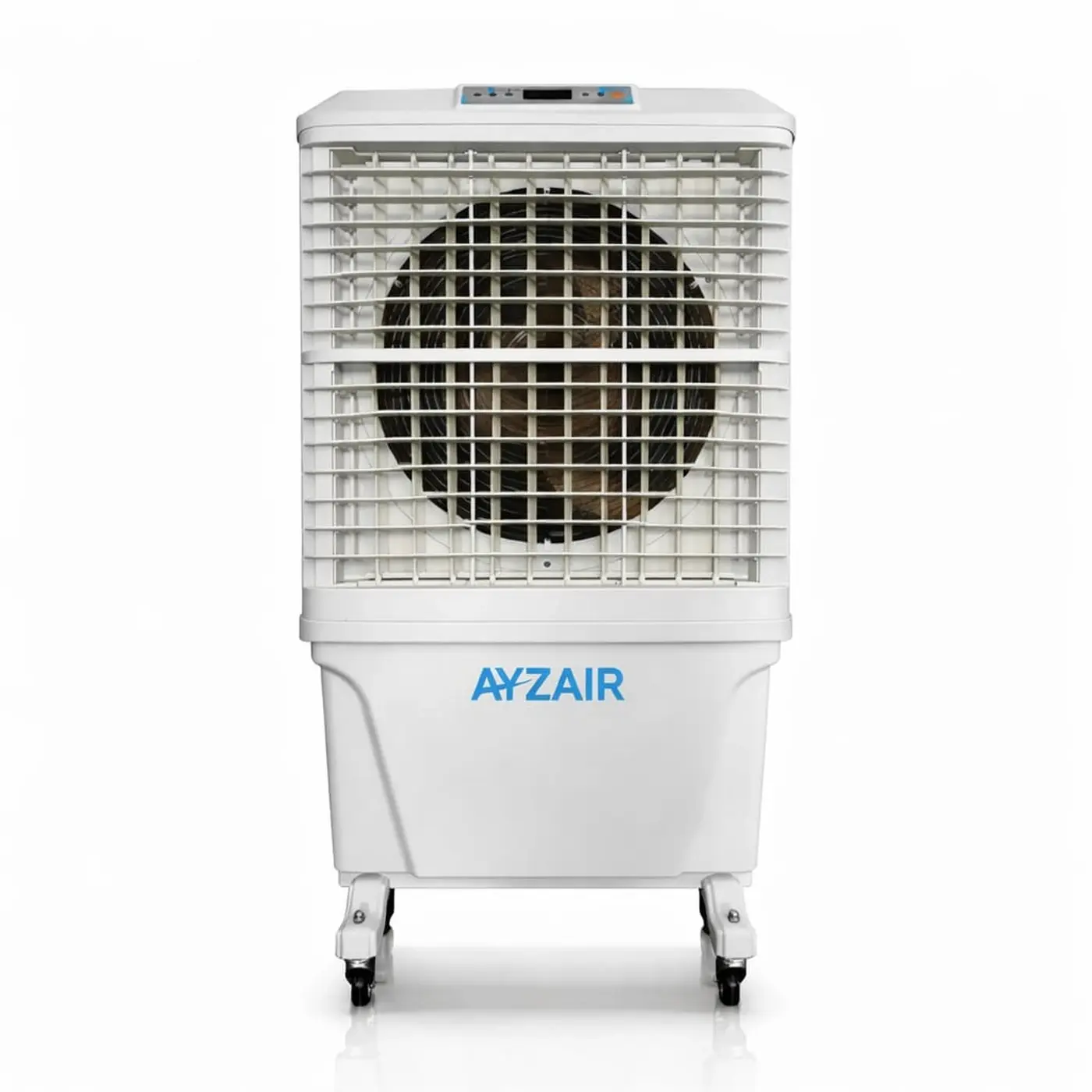
At roughly 1,850 m in the Rift Valley, Nakuru runs 26–30 °C in the hot months with dry afternoons near 40 percent humidity, so evaporative cooling performs reasonably well and extraction handles the rest.
Shipments arrive at Mombasa in 12 to 16 days from Nhava Sheva or Mundra and are trucked roughly 640 km through Nairobi to Nakuru, normally three to four days after release.
6families
Complete range supplied here
34models
Every model available to order
10–20days
Production lead time
24hrs
Sizing and quotation
The complete range
All six Ayzair families, supplied in Nakuru.
Every product we make is available in Nakuru. They are ordered by how well each one suits the local climate and the industries here, but nothing is off the list.
Where we supply
Industrial areas of Nakuru.
Who buys here
Industries in Nakuru.
- Grain milling and animal feed
- Poultry and egg production
- Dairy and food processing
- Horticulture and cut flowers
- Agrochemicals
- Packaging and light engineering
Worth knowing locally
- Highland nights drop to 10–12 °C, so poultry and horticulture buyers usually specify staged or variable speed fan control rather than running every extractor flat out.
- Kenya reticulates 415 V three phase at 50 Hz; farms on single phase supply are quoted the smaller Hammer sizes up to about 900 mm and the 500 W portable cooler instead.
- Many upcountry sites have no loading dock, so units are crated and palletised for forklift or tractor loader offloading at the farm gate.
Nakuru enquiry
Get a proforma invoice for Nakuru.
Tell us the building — area, roof height and what happens inside — or name the models and quantities you already know you need. You will get USD pricing, your Incoterm, a container loading plan and a confirmed lead time within one working day.
Export desk
Answers
Supplying Nakuru — common questions
Cannot find what you need? Call +91 80871 10156 or WhatsApp us — an engineer, not a call centre, picks up.
Ask on WhatsAppCan Ayzair fans be used in flower packhouses near Naivasha?
Yes. Grading and packhouse buildings need steady air change without draughts across the product, so wall mounted Hammer extractors combined with a low speed HVLS fan usually works best. Evaporative coolers are added where a pre-cooling area needs supply air a few degrees below ambient on hot afternoons.
What is available for a farm shed on single phase power?
Hammer exhaust fans up to around 900 mm and the 150 litre portable cooler at 16,000 CMH and 500 W all run comfortably on single phase supply. That covers most small layer units, grain stores and workshops around Njoro and Rongai without an upgraded connection or a bigger generator.
How is equipment moved from the port up to the Rift Valley?
Containers clear at Mombasa and travel by road through Nairobi, about 640 km in total, taking three to four days once released. Crates are built for forklift handling because most Rift Valley farms and mills offload in the open rather than at a dock or ramp.
Nearby
Also supplied across Kenya.
Next step
Shipping to Nakuru?
Send your requirement and we will confirm the freight route, transit time, landed cost and whether our equipment genuinely suits Nakuru conditions — before you commit to anything.